
I am having a migraine.
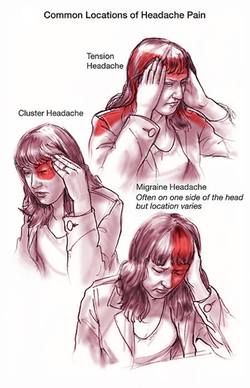
A sentence we hear too often than we would like to these days. Today, let me provide you with all the necessary information you need, to finally get some real help if you have been a silent sufferer for too long.
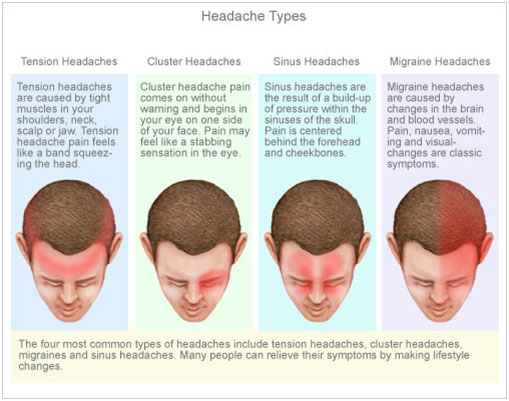
‘Migraine’ is a common disabling primary headache disorder. A migraine is a bit more complex than a normal headache. Most people have headaches from time to time. These are known as ‘tension headaches.’ Read on to find out how these two are completely unrelated.
Risk factors
- Family history: Having a family member with migraines (usually female) increases your likelihood of developing them.
- Age: Migraines can strike at any age, though the first often occurs at adolescence. Migraines tend to peak during your 30s, and gradually become less severe and frequent as age advances.
- Sex: Women are thrice more likely to have migraines. A headache tends to affect boys more than girls during childhood, but by the time of puberty, more girls are affected.
- Hormonal changes: If you are a woman who has migraines, you may find that your headaches frequent around the time of menstruation. They may also change during pregnancy or menopause. Migraines generally improve after menopause. Some women complain that migraine attacks begin during pregnancy, or their attacks worsen. Many reported that the attacks improved or didn’t occur during later stages in the pregnancy. Some migraines often return post-delivery.
Symptoms
Migraines begin in childhood, adolescence, or early adulthood.
Migraines generally progress over four stages: prodrome, aura, headache, and post-drome, although all patients may not always experience all four stages.
1. Prodrome:
24 hours or up to two days before a migraine, you may notice few changes that warn of an upcoming migraine, including:
- Mood swings
- Constipation
- Severe food cravings
- Neck stiffness
- Increased thirst
- Increased urination
- Frequent tiredness
2. Aura: the “warning sign”
Aura may occur before or during migraines. Most people experience migraines without aura.
Auras are symptoms of the nervous system. They are usually visual disturbances, such as flashes of light or wavy, zigzag vision.
Sometimes auras can be of any type: sensory (sensations), motor (movements) or verbal (speech) disturbances. Your muscles may get weak, or you may feel as though someone is touching you.
Each of these symptoms usually begins gradually, builds up over several minutes and lasts for few minutes to 60 minutes. Examples of migraine aura include:
- Seeing shapes, bright spots, or flashes of light
- Vision loss
- Pins and needles sensations in an arm or leg
- Weakness/numbness in the face or one side of the body
- Difficulty speaking
- Hearing noises or music
- Uncontrollable jerking or other movements, etc
3. The Attack:
A migraine usually lasts from 4 to 72 hours if untreated. The frequency with which headaches occur varies from one person to another. Migraines may be rare or might occur several times a month. During a migraine, you may feel:
- Pain on either side or both sides of your head
- Pain that feels throbbing or pulsating
- Sensitivity to light, sounds, and sometimes smells and touch
- Nausea and vomiting
- Blurred vision
- Light-headedness, sometimes followed by fainting
4. post-drome
The final phase occurs after the attack. You may feel washed out, while some people feel ecstatic. For about 24 hours, you may also experience:
- Confusio
- Moodiness
- Dizziness
- Weakness
- Sensitivity to light or sound
Causes
Exact causes remain unknown but research points to strong correlations between genetics/environmental factors and migraines.
Some factors called “triggers” have been studied and isolated which may be the reason to induce an “attack”.
Migraine Triggers
- Hormonal changes in women: Women with migraines often report headaches before or during their periods, when they have a major drop in estrogen. Also, there is increased tendency to develop migraines during pregnancy or menopause. Hormonal medications, such as oral contraceptive pills and hormone replacement therapy may worsen migraines. Some women find their migraines occur less often when taking these medications.
- Foods: Aged cheeses, salty foods and processed foods may trigger migraines. Skipping meals in between the day or hypoglycemia can trigger attacks.
- Food additives: The sweetener aspartame and the preservative monosodium glutamate (MSG) may trigger migraines.
- Drinks: Alcohol, especially wine, and highly caffeinated beverages may trigger migraines.
- Stress: Stress at work or home can cause migraines.
- Sensory stimuli: Bright lights and sun glare can induce migraines, as can loud sounds. Strong smells including perfume, paint thinner, second-hand smoking trigger migraines in some people.
- Changes in wake-sleep pattern: Missing sleep or getting too much sleep may trigger migraines in some people, as can jet lag.
- Physical factors: Intense physical exertion, including sexual activity, may provoke migraines.
- Changes in the environment: Changes in weather and barometric pressures can prompt a migraine as well.
- Medications: Oral contraceptives, blood pressure & cardiovascular medications, can aggravate migraines.
When do I see a doctor?
Sad truth remains that migraines are often undiagnosed and untreated. If you regularly experience symptoms, keep a record of your migraine attacks and triggers and how you treat them. Then meet your doctor to discuss your headaches.
Even if you have a history of headaches, see your doctor if there is a sudden change in pattern of your headaches. See your doctor immediately or go to the emergency room if you have any of the following signs and symptoms, which may indicate an Emergency:
- An abrupt, severe headache like a thunderclap.
- Headache with high fever, chills, stiffness in neck, mental confusion, seizures, double vision, weakness, numbness or trouble speaking.
- Headache after a head injury, especially if the headache gets worse.
- A chronic headache that is worse after coughing, exertion, straining or a sudden movement.
- New headaches if you’re older than 50.

 wellnesstrainer.fitness.blog